Tag Archives: Japan

Fully automated vehicles excluded from tests on Japan’s public roads

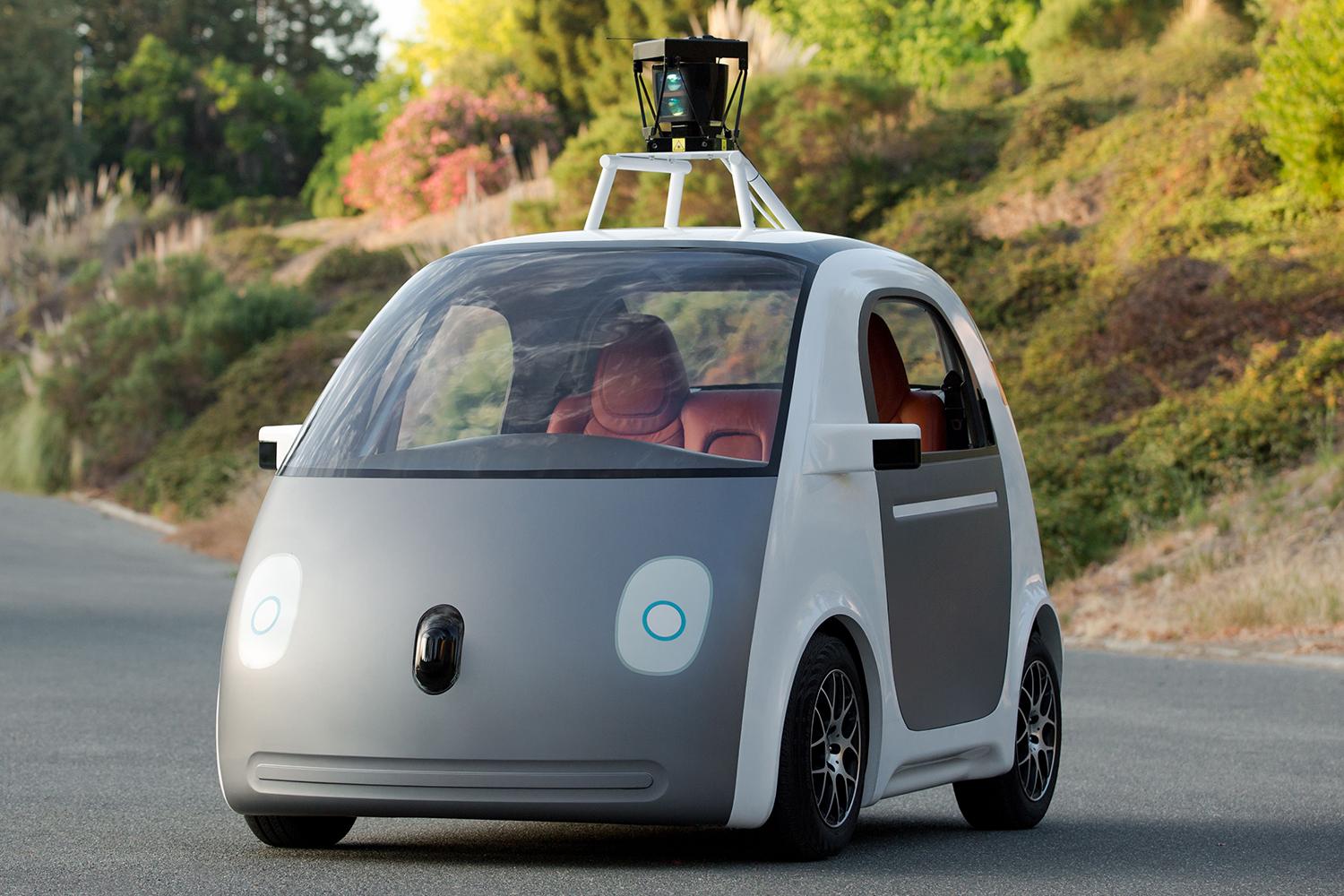
Google-Self-Driving-Car (Picture - Digital Trends)

Google-Self-Driving-Car (Picture – Digital Trends)


“The first guidelines on public road tests of self-driving vehicles, released by the National Police Agency (NPA), exclude fully automated cars without a steering wheel or driver.

The NPA’s recommendations say tests should be conducted with cars that have a driver behind the wheel to ensure safety and compliance with the road traffic law.

The government sees promoting the technology used in self-driving cars as a key to economic growth.

The police agency’s guidelines call for using “black boxes” on test cars to record all data and, in case of an accident, ascertaining the cause and taking corrective measures before test drives are resumed.

The NPA is expected to set up a panel of experts this summer to examine issues surrounding possible legislative reforms for this new technology, such as who would be legally responsible in case of an accident, the need to adapt the driver’s license system for self-driving cars and how to take measures against hacking cars.

The government has developed a classification system under which full self-driving automation is designated as level 4, in which the car is designed to perform all safety-critical driving functions.”  (The Japan Times)


Should driverless cars be one day on the road? Will such cars be reliable enough for that? Should we rely so much on Machines and Technology? What do you think?

Read more from:  Fully automated vehicles excluded from tests on Japan’s public roads


Panasonic ends production of LCD (TV) panels in Japan!

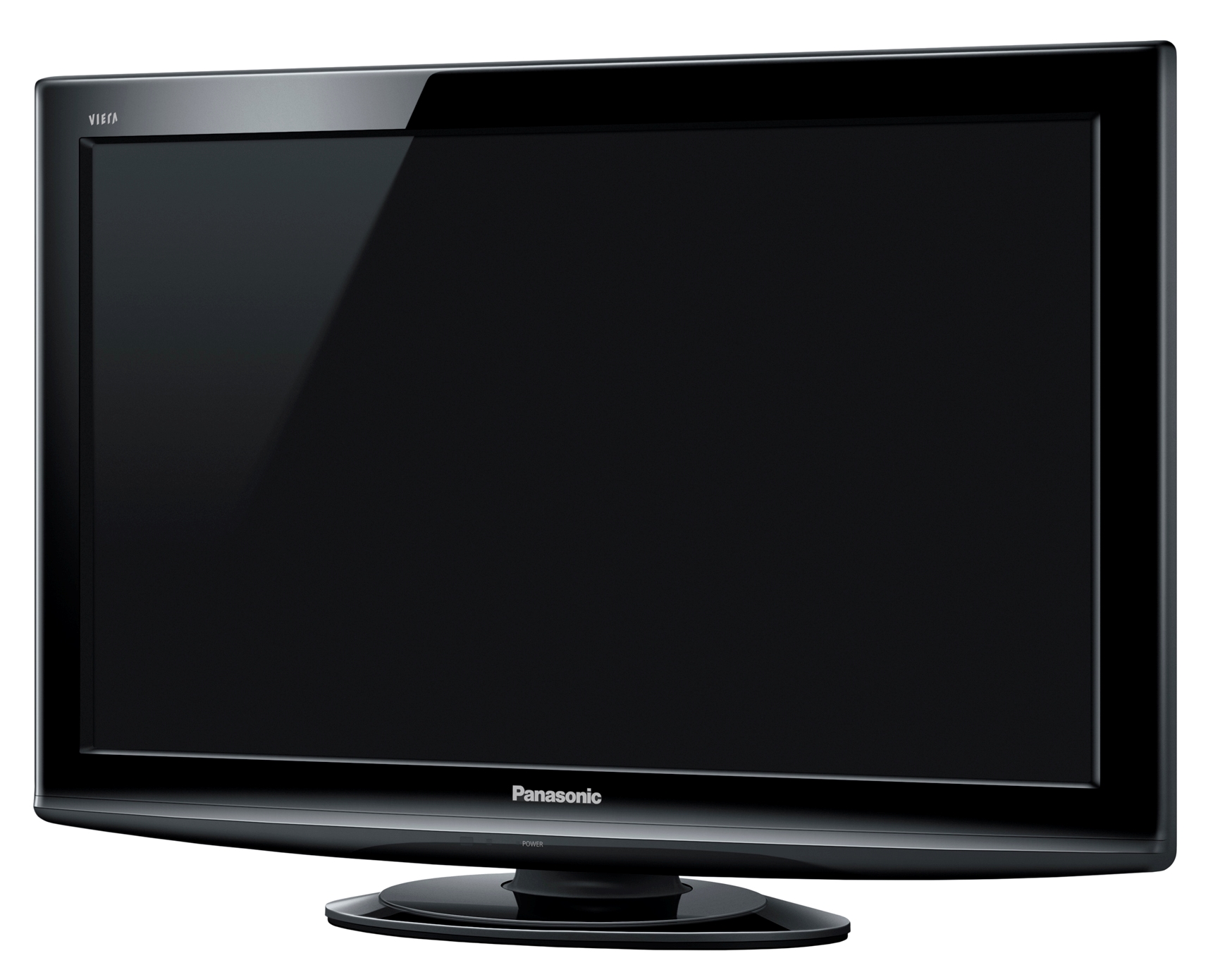
PANASONIC's VIERA-x1-LCD-series

PANASONIC’s VIERA-x1-LCD-series


“Panasonic Corp. has decided to withdraw from TV panel production amid fierce competition from foreign rivals, in particular in China and South Korea, company sources said Tuesday.

The Osaka-based company will end production at its sole liquid crystal display plant in the city of Himeji, Hyogo Prefecture, by the end of September, as it expects no improvement in its profitability.

Panasonic’s withdrawal will leave Sharp Corp. as the sole Japanese electronics maker making LCD panels for TVs in Japan.

Although Panasonic will halt TV panel production, it will continue making LCD TVs using panels procured from manufacturers in South Korea and elsewhere, the sources said.

Meanwhile, Panasonic will continue producing LCD panels for other purposes and bolster the LCD businesses for vehicles and medical devices, where growth is expected.”  (Japan Times)


Another blow for Audio-Video & Electronics Manufacturing in Japan! Is this a business of the past? What do you think?


Read more from:  Panasonic ends production of LCD (TV) panels in Japan!


Toyota invests in computer science and human-machine interaction aiming at reducing highway injuries and fatalities

AI (Picture - micronobal.com)

AI (Picture – micronobal.com)


“Toyota Motor Corporation (TMC) announced on September 4, 2015 that it would invest approximately $50 million over the next 5 years to establish joint research centers at Massachusetts Institute of Technology (MIT) and Stanford University  to broaden its focus on computer science and human-machine interaction with an immediate goal of reducing highway injuries and fatalities.

As we age, mobility becomes more challenging; and larger segments of society are unable to drive or move freely. Also, the demands on healthcare systems and those who support the physically infirm continue to increase. Toyota believes the opportunities to improve every-day living through artificial intelligence supported technologies are boundless, with significant breakthrough potential for the development of life-saving intelligent vehicles and life-improving robots.”  (Toyota Newsroom)


Is Artificial Intelligence Research the key to our future challenges? What is your take on this?

More details from:

http://newsroom.toyota.co.jp/en/detail/9233109/

https://livestream.com/Toyota/PressConference


Retail News: GAP to close all 53 Old Navy stores in Japan!!

GAP (Picture - MSN and BFM News)

GAP (Picture – MSN and BFM News)


“Gap Inc., under pressure to turn around operations amid a prolonged sales slump, said it plans to close all its Old Navy stores in Japan and some Banana Republics mostly outside of North America by the end of its business year.” (Wall Street Journal)

“Gap Inc said Thursday that it is shuttering 75 Old Navy and Banana Republic stores outside North America as the struggling company looks to focus on regions where it sees it has the greatest potential for success. The closures include all 53 Old Navy stores in Japan. The closures represent just a fraction of the over 3,700 stores it operates globally. Gap has long been struggling, unable to get shoppers to buy its clothes without offering big discounts(Japan Today)

“Ces dernières semaines, les entreprises du secteur du prêt-à-porter ont annoncé des résultats tous plus mauvais les uns que les autres, qui ont fait lourdement chuter leurs titres en Bourse. Elles pâtissent de la concurrence des vendeurs en ligne dont les politiques commerciales sont plébiscitées par les consommateurs. Gap, fondé il y a 47 ans, doit aussi affronter les fers de lance de la “fast retail” que sont H&M, Zara et Uniqlo qui renouvellent fréquemment leurs collections afin de coller aux goûts d’un public adolescent porté sur les achats sur l’internet.”  (BFM Business/MSN)


GAP has been operating in Japan for a while. It is probably good news for rivals like UNIQLO, Zara, H&M and others. So, will it make a difference in the very dynamic Japanese Apparel/Retail landscape or is it going to be “business as usual” for the Japanese consumers? What do you think?


Read more from:

http://www.msn.com/fr-fr/finance/actualite/d%c3%a9cision-drastique-de-gap-au-japon/ar-BBtgAi1?ocid=spartanntp

http://www.japantoday.com/category/business/view/gap-to-close-75-stores-outside-north-america-including-53-old-navy-stores-in-japan

http://www.wsj.com/articles/gap-to-close-old-navy-in-japan-withdraws-earnings-forecast-1463689009


World’s first ocean cleaning system to be deployed in 2016!

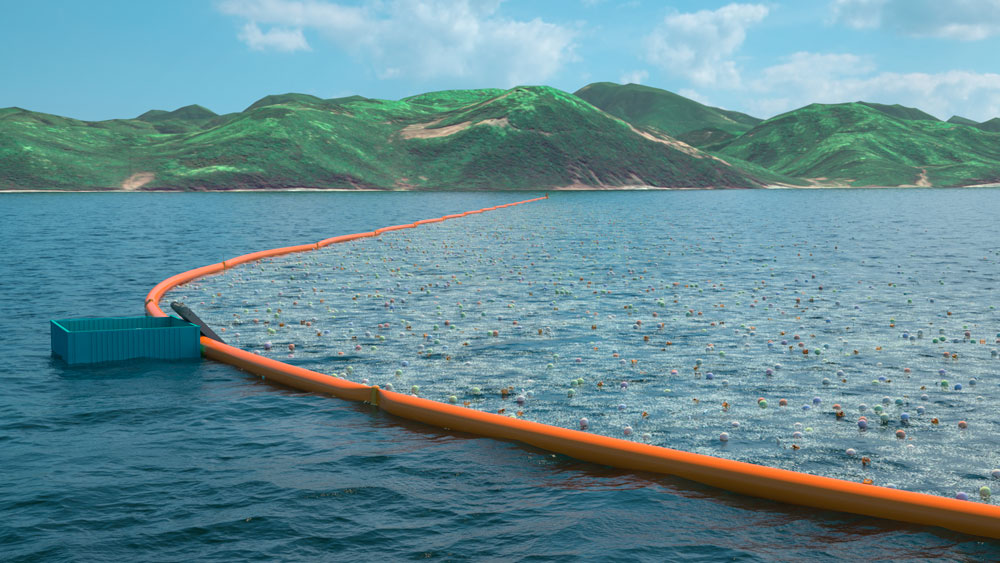
Ocean Cleaning System (Picture - The Ocean Cleanup)

Ocean Cleaning System (Picture – The Ocean Cleanup)


“The world’s first system to passively clean up plastic pollution from the world’s oceans is to be deployed in Japan in 2016! The coastal array will be the first time an operational Ocean Cleanup system is to be deployed in the ocean. Spanning 2000 meters (and with a barrier length of over 2300m), it will become the longest floating structure ever deployed on the oceans, even though this will be just 2% of the full scale structure. Deployment is expected in Q2 2016. On May 20 2015, The Ocean Cleanup and the city government of Tsushima (a Japanese island which lies between Japan and Korea) jointly agreed to conduct research to bring the world’s first Ocean Cleanup array to Tsushima Island.”   (The Ocean Cleanup website)


Boyan Slat, founder and CEO of The Ocean Cleanup:

“Taking care of the world’s ocean garbage problem is one of the largest environmental challenges mankind faces today”


Great Project!

More details fromhttp://www.theoceancleanup.com/blog/show/item/worlds-first-ocean-cleaning-system-to-be-deployed-in-2016.html


Work Perks in Japan: be creative in compensating your staff!

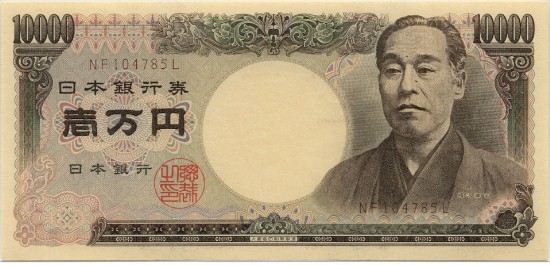
10000-yen-note

10000-yen-note


“Although salary may still be the first thing job seekers look at when scanning potential positions, perks and benefits are being increasingly recognised as crucial ways for companies to attract and retain staff, as well as keep employees happy and productive. While generous expat packages for even mid-level employees at foreign firms in Tokyo may be a distant bubble-era memory, both local and overseas companies are finding creative ways to compensate workers ….  As bonuses have become less variable and salaries have evened out, benefits have become more important than ever.”    (Source: EUROBIZ Newsletter)


Basic salary vs Bonus vs Perks/Benefits? What are your expectations? What is the trend in your Japan office? Is your company innovating in that field? What are your preferences and why?


Read more fromhttp://eurobiz.jp/feature/work-perks/


GBMC speaking at the MEDEF Executive Club Conference! Join us!


Doing Business with Japan

Doing Business with Japan

Comment réussir votre développement international au Japon”


organised in Paris by the MEDEF Ile-de-France (French Federation of Companies) on wednesday May 11, 2016.


More details about the Conference itself (in French):

Eric BERGER, Président du MEDEF Ile-de-France, et Michel JONQUERES, Président de la Commission Internationale,

ont le plaisir de vous convier au Petit Déjeuner de l’Executive Club du MEDEF Ile-de-France sur le thème :

« Comment réussir votre développement international au Japon »

le mercredi 11 mai 2016 de 8h30 à 10h30

au Club (niveau -1)

10, rue du Débarcadère – Paris 17ème

avec la participation de :

Yoichi SUZUKI, Ambassadeur du Japon en France

« Le commerce franco-japonais »

Philippe HUYSVELD, spécialiste du Japon, membre de Global Business and Management Consulting (GBMC)

« A faire et à ne pas faire pour votre réussite commerciale au Japon »

Jean-Charles CROUIN, Conseiller du Commerce Extérieur de la France (section Japon), Président de la Commission Asie du

CNCCEF

« Un entrepreneur français au Japon »


If you are interested in joining us for the conference, please fill in and send back the form hereunder:


COUPON-REPONSE

Merci de confirmer votre présence en nous renvoyant le coupon-réponse par courrier, accompagné de

votre chèque de règlement à l’ordre du MEDEF Ile-de-France avant le vendredi 6 mai 2016 à l’adresse :

MEDEF Ile-de-France – Service Communication – 251, boulevard Pereire – 75852 PARIS Cedex 17

Mme/M. : ……………………………………………………… Société : ………………………………………………..……….……

Fonction :……………………………………………………… Tél. : ……………………E-mail : ……………………………….…..

Ο   Assistera au petit déjeuner 

Ο   N’assistera pas au petit déjeuner

PARTICIPATION : 30 € TTC

(votre inscription sera prise en compte uniquement après règlement)

Pour toute information : service Presse et Communication au : 01 40 55 12 43 / 51 ou secretariat@medef-idf.fr


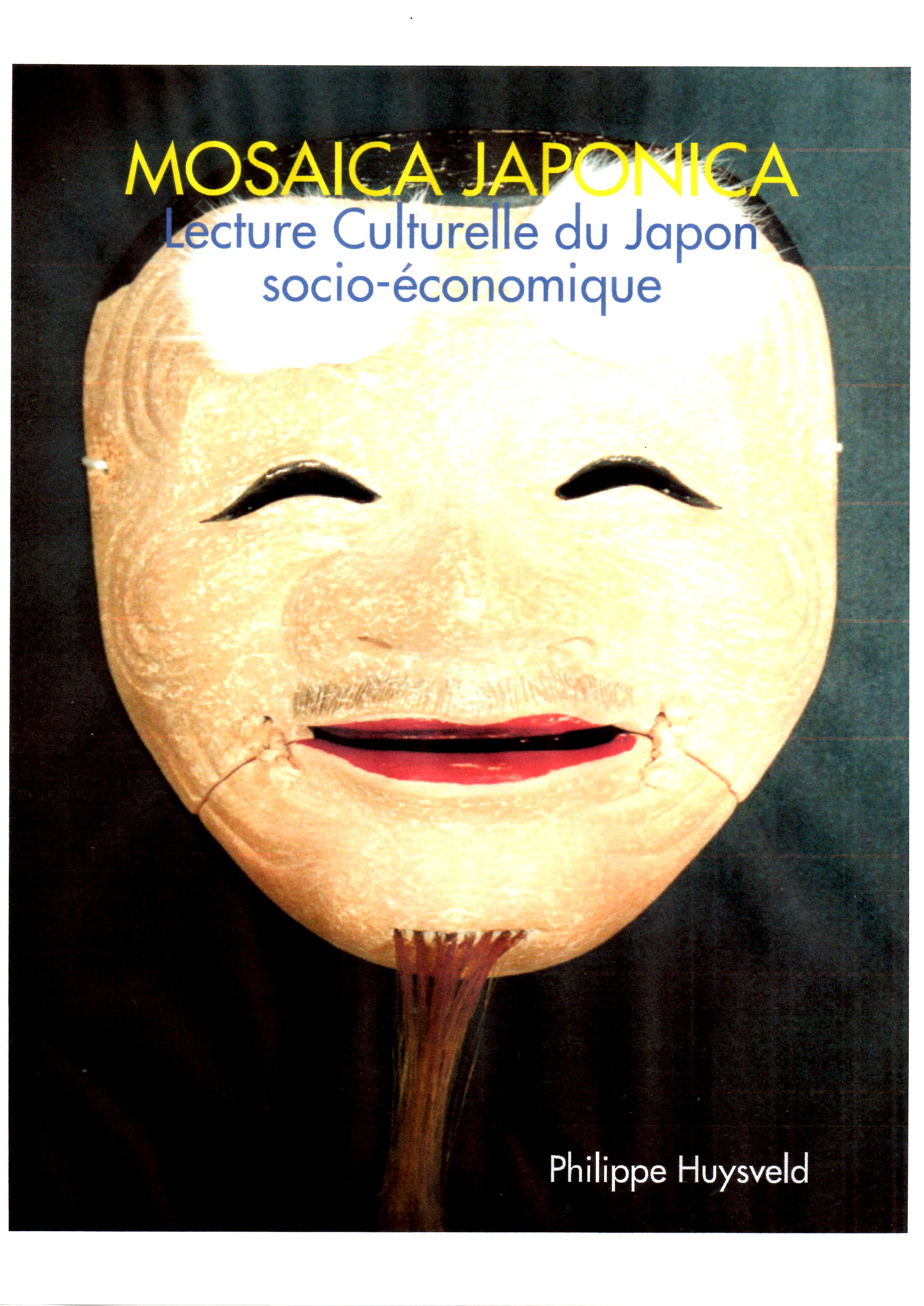
eBook – MOSAICA JAPONICA – Lecture Culturelle du Japon socio-économique

MOSAICA JAPONICA - Ph Huysveld - cover

MOSAICA JAPONICA – Ph Huysveld – cover


Contient une préface d’André Jaumotte


« Aujourd’hui, il y a sans doute mille choses à apprendre de l’Orient : un énorme travail de connaissance est, sera nécessaire …. L’auteur n’a jamais, en aucun sens, photographié le Japon. Ce serait plutôt le contraire : le Japon l’a étoilé d’éclairs multiples ; ou mieux encore : le Japon l’a mis en situation d’écriture. »

Ces quelques phrases de Roland Barthes dans « L’Empire des Signes » résume très bien les préoccupations de votre modeste guide dans la mosaïque socio-économico-culturelle japonaise.

La mondialisation croissante de ces dernières années conduit le manager, tout comme le citoyen du monde, à faire l’effort de comprendre et d’accepter la pensée de l’autre. Pour maîtriser et gérer les différences de culture et de société, il doit avant tout se mettre à la place de l’autre.

Toutefois, au Japon tout particulièrement, la prise en compte des spécificités culturelles n’est pas chose simple. A cet effet, des programmes d’études en « management interculturel » ont fait leur apparition en Europe, mettant en évidence l’importance de la connaissance de l’environnement culturel pour appréhender la dynamique des marchés asiatiques et, en particulier, japonais.

L’objectif de cet ouvrage à caractère socio-économico-culturel s’inscrit dans cette démarche et consiste à amorcer, avec du recul, une réflexion en profondeur sur les liens ou analogies entre l’économique et le culturel au Japon. L’auteur part du constat qu’un certain nombre d’éléments sont liés et ouvre des pistes de discussion. Il prend aussi à cœur de combattre les préjugés.

Avant toute chose, une mise en garde s’impose. L’archipel nippon, très étendu du Nord au Sud, n’est pas un pays homogène et sa découverte ne se limite pas à une visite de Tokyo, généralement le premier point de chute des visiteurs étrangers. En effet, quittant la métropole, s’ouvre au voyageur attentif un Japon plus traditionnel et plus authentique, tel que présenté dans cet essai.

Dans un premier temps, sont présentés, en deux volets, les Arts et l’Economie du pays. La première partie consiste en un survol de différentes formes d’expression artistique, de pair avec des créations originales en théâtre. La deuxième partie reprend l’économie dans son ensemble et, en particulier, un « zoom » opéré sur la gestion des ressources humaines, la négociation et l’industrie automobile.

Dans un second temps, l’auteur reconstitue par l’analyse de ses fragments la mosaïque japonaise. Le décryptage se fait suivant quatre dimensions interdépendantes de la culture japonaise : le collectivisme ou esprit de groupe, l’ordre et la hiérarchie, la notion d’incertitude et son contrôle, la forte division des rôles entre les hommes et les femmes.

Suivant en cela une démarche « zen » classique, cherchons à dégager la substance essentielle de cet univers japonais complexe.


Bonne Lecture!

Philippe Huysveld


A cultural screening of Japan’s society and economy!

182 pages eBook (in French) available from various e-commerce platforms like:

http://www.lulu.com/shop/philippe-huysveld/mosaica-japonica-lecture-culturelle-du-japon-socio-économique/ebook/product-22618905.html

http://www.amazon.com/dp/B01DE1NYKE?ref_=pe_2427780_160035660

or from our website:

http://www.gbmc.biz/mosaica-japonica–ebook-.html


Practice “Omotenashi”: Provide an unique “service experience” and show gratitude & respect towards your customers !!

Japanese bow

The Japanese spirit of hospitality

Of all the memories they take home with them, visitors to Japan cherish and appreciate the ‘Japanese way of hospitality and customer service’ — Omotenashi in Japanese.

Translated simply, Omotenashi means the Japanese way of treating a guest. It blends a welcoming spirit with warmth, understanding, and above all respect.

Interestingly, the Japanese language makes no distinction between ‘guest’ and ‘customer.’

To practice Omotenashi, the host pays close attention to detail and is committed to anticipating the needs of the guest, smiling sincerely and setting a happy, relaxed mood. When authentic, Japanese hospitality and service exceed the expectations of the guests. At its most exquisite, Omotenashi offers a guest a once-in-a-life-time experience. The idea resonates with Ichigo-ichie, the tea master’s belief that every encounter is single and unique.”  (Kanebo website)


So what are you waiting for to implement it in your business? In a more and more competitive business world, “service engineering” is a differentiating and winning factor!

Read more from:   The Japanese spirit of hospitality

If you need help, you can also contact us (at info@gbmc.biz) for support or 

check our website at:  http://www.gbmc.biz/Japan_Training.php


Japan Retail: blossoming duty-free shops and the growing tourism market

Shopping in post-war Japan

Shopping in post-war Japan

Takashimaya to open airport-style duty-free shop in Shinjuku

“Major Japanese department store operator Takashimaya Co. plans to open an airport-style duty-free shop in Tokyo in a bid to capture the growing tourism market. Takashimaya will establish a company to operate the shop jointly with All Nippon Airways Trading Co., a unit of ANA Holdings Inc., and Hotel Shilla Co., an affiliate of South Korea’s Samsung Electronics Co. The duty-free shop will open within Takashimaya’s flagship store in the busy Shinjuku area in spring 2017, according to sources.”  (Japan Times)

In parallel with the soon expected “sakura” blossoming and other “hanami” activities, duty-free shops are blossoming and everywhere in Japan’s busy shopping malls and department stores. The latest trend is however towards “airport-style duty-free” shops, as described in this article. Waves of (Chinese) tourists are benefiting from the 8% tax discount (under some specific conditions, like foreign residency and minimum purchase amount of 5,000 or 10,000 JPY). Should we learn some lessons from this in France, Europe or even US? What do you think?


Read more from:  Japan Retail: blossoming duty-free shops and the growing tourism market


Design a site like this with WordPress.com
Get started